
Osseous surgery is a common periodontal procedure designed to restore the health of the gums and supporting bone around the teeth. It is most often recommended for patients with advanced gum disease who have not responded adequately to non-surgical treatments like scaling and root planing. Understanding what osseous surgery involves can help patients feel more confident and prepared when this treatment becomes part of their care plan.
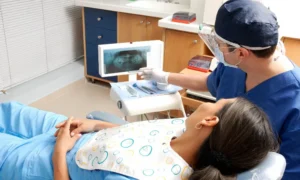
What Is Osseous Surgery?
Osseous surgery, sometimes called pocket reduction surgery, focuses on reshaping the bone that surrounds the teeth. In periodontal disease, harmful bacteria cause inflammation that destroys gum tissue and bone, leading to deep periodontal pockets. These pockets make it difficult to keep the area clean, allowing the disease to progress. Osseous surgery aims to reduce these pockets by removing infected tissue and smoothing irregular bone surfaces so the gums can reattach more securely to the teeth.
Why Osseous Surgery Is Needed
When gum disease advances beyond the early stages, bone loss often creates uneven contours around the teeth. These irregularities allow bacteria to hide and multiply, even with excellent oral hygiene. Osseous surgery addresses the underlying bone damage rather than just the symptoms. By reshaping the bone and reducing pocket depth, the procedure often makes daily brushing and flossing more effective and helps prevent further tooth and bone loss.
What to Expect During the Procedure
Osseous surgery is typically performed by a periodontist under local anesthesia. In some cases, sedation may also be used to improve comfort. The dentist gently lifts the gum tissue away from the teeth to gain access to the roots and bone. Infected tissue is removed, and the bone is carefully reshaped to eliminate defects caused by periodontal disease. Once the area is cleaned and smoothed, the gum tissue is repositioned and sutured back into place.
The procedure usually takes one to two hours, depending on the number of teeth involved. Patients can return home the same day, and most experience manageable discomfort rather than severe pain.
Recovery and Healing
Recovery after osseous surgery varies from patient to patient, but most people can expect some swelling, tenderness, and minor bleeding during the first few days. These symptoms are typically controlled with prescribed or over-the-counter pain medication and cold compresses. A soft diet is often recommended during the initial healing period to avoid irritating the surgical site.
Gum tissue usually begins to heal within one to two weeks, while complete healing of the bone can take several months. Follow-up visits are essential to monitor healing and remove sutures if needed. Maintaining excellent oral hygiene and attending regular periodontal maintenance appointments play a major role in the long-term success of the surgery.
Benefits of Osseous Surgery
One of the main benefits of osseous surgery is the reduction of periodontal pockets, which lowers the risk of future infection. Healthier gums are easier to clean and maintain, helping patients preserve their natural teeth for as long as possible. Many patients also notice reduced gum inflammation, less bleeding, and improved comfort when chewing or brushing. In addition to improving oral health, osseous surgery could enhance the overall stability of the teeth. By addressing bone defects, the procedure helps slow or stop the progression of periodontal disease, protecting both function and appearance.
Osseous Surgery in Knoxville, TN
At East Tennessee Periodontics, we are dedicated to helping you preserve your natural tooth structure. When gum disease becomes advanced, osseous surgery could help prevent tooth damage and restore your oral health. Contact our office today to schedule a consultation and learn more about the procedure and recovery.