
If you have invested in dental implants, you already know what a difference they make. They feel natural. They function like your own teeth. And they give you back the confidence to eat, speak, and smile without thinking twice.
But here is something we remind every patient who walks out of our Knoxville office with a new implant: the procedure itself is only the beginning. How you care for your implants over the long haul determines how long they last.
The good news? Keeping your implants healthy is not complicated. It just takes consistency and a clear understanding of what implants need.
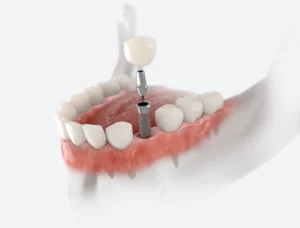
Implants Are Not Immune to Problems
One of the biggest misconceptions we hear is that implants cannot fail because they are not real teeth. The truth is, while the implant post itself is made of titanium and will not decay like a natural tooth, the tissues around it absolutely can develop problems.
Peri-implantitis is the name for inflammation and infection around a dental implant. It starts the same way gum disease does: with bacteria building up along the gumline. If left unchecked, it can lead to bone loss around the implant, and eventually, the implant can loosen or fail.
The good news is that peri-implantitis is largely preventable with the right home care and regular professional maintenance.
Your At-Home Routine Matters
Taking care of an implant is similar to caring for your natural teeth, but there are a few important differences.
Brushing twice a day is non-negotiable. Use a soft-bristled toothbrush or an electric brush designed for implants. Pay special attention to the area where the gum meets the implant. That margin is where bacteria like to hide.
Flossing is just as important. Standard floss can work, but many patients find implant-specific floss with a stiffened end easier to thread between the implant crown and adjacent teeth. Water flossers are also excellent for flushing out debris and gently stimulating the gum tissue around implants.
If you have implant-supported dentures or bridges, your cleaning routine will look a little different. We will give you specific instructions on how to clean under and around the prosthetic to keep everything healthy.
Professional Maintenance: Why Regular Visits Still Matter
Even with excellent home care, you cannot do it alone. Regular hygiene visits are essential for protecting your implant investment.
During your cleaning appointments, we do more than just polish your crowns. Dr. Robert Cain and our hygienists use special instruments designed to clean implants without scratching or damaging the surface. We check the tissue around each implant for signs of inflammation. We take digital X-rays periodically to monitor the bone level.
These visits are not just about cleaning. They are about catching small issues before they become big problems.
Risk Factors to Watch
Certain habits and health conditions can increase your risk of implant complications. Smoking is one of the biggest. Patients who smoke have a significantly higher rate of implant failure and peri-implantitis. If you smoke, quitting or cutting back is one of the best things you can do for your long-term implant health.
Other risk factors include uncontrolled diabetes, teeth grinding, and a history of severe gum disease. None of these automatically mean implants will fail, but they do mean you need to be extra vigilant about your maintenance routine.
Think Long Term
Dental implants are designed to last decades. Many of the implants Dr. Robert Cain has placed over his 30 years of practice are still going strong because patients have taken their maintenance seriously.
When you choose implants, you are making a long-term investment in your health, your confidence, and your quality of life. Protecting that investment simply means staying consistent with the habits that keep your gums and bone healthy.
If you have questions about caring for your implants or if it has been a while since your last maintenance visit, give us a call. We are always happy to help you protect the smile you have worked so hard to restore.